Landscape Maintenance for Rental Properties and HOAs


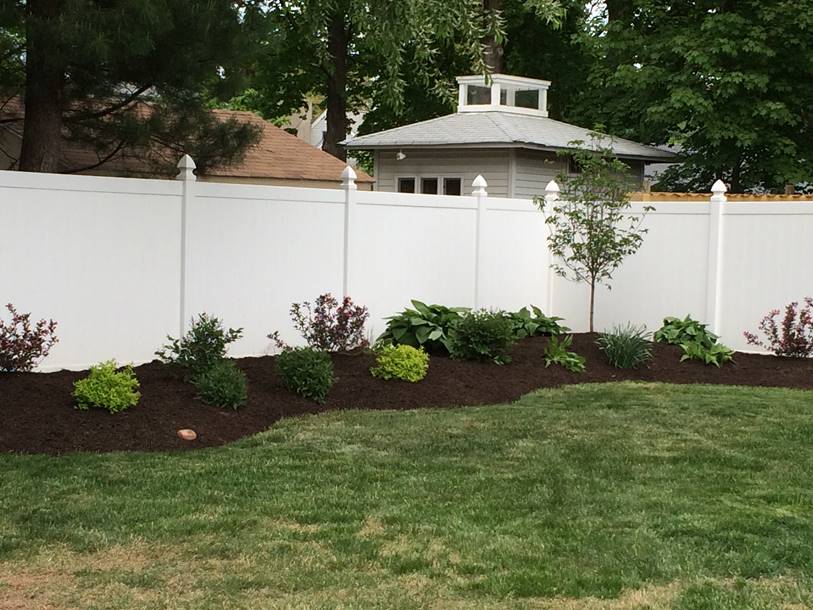
Landscape maintenance sits in an unusual place for rental properties and homeowners associations. It is highly visible, easy for residents to criticize, and often treated as a simple line item until something goes wrong. A turf area thins out, irrigation floods a sidewalk, shrubs block sightlines at an exit, or a neglected entry bed makes an otherwise solid property feel tired. At that point, everyone notices. Owners see declining curb appeal. Boards hear complaints. Leasing teams lose one of the easiest visual advantages they have.
After working around multifamily and association-managed landscapes, one pattern shows up again and again: the properties that look consistently good are rarely the ones spending the most money. They are the ones with clear standards, realistic maintenance scopes, seasonal planning, and a contractor or in-house team that understands how people actually use the site. A beautiful plant palette on paper will not survive poor irrigation coverage, compacted soil, resident shortcuts across grass, and inconsistent pruning.
For rental communities and HOAs, the job is not simply to keep plants alive. The real task is to maintain a landscape that stays safe, durable, attractive, and cost-conscious under constant use. That takes a different mindset than residential lawn care for a single home. The scale is larger, the expectations are less uniform, and the consequences of neglect show up faster.
Why the landscape matters more than many boards and owners assume
People make quick judgments about a property, often before they ever step inside a leasing office or attend an association meeting. The entrance monument, the condition of the turf, the neatness of edging, and the health of shrubs all send a message about how the place is managed. A well-kept landscape suggests order and attention. A struggling one suggests deferred maintenance elsewhere, even when that is not technically true.
For rental properties, the landscape is part of the leasing experience. Prospective tenants notice whether walks are clean, whether common areas feel inviting, and whether outdoor spaces look usable rather than decorative. If a prospect tours three comparable communities in an afternoon, the one with cleaner beds, healthier lawn areas, and shade trees that are obviously cared for often has an advantage that is difficult to quantify but very real.
For HOAs, landscape maintenance affects property values and resident satisfaction more directly. Homeowners may tolerate small disagreements about paint colors or pool hours, but they become vocal when common grounds decline. Brown turf at the entrance, weeds in medians, overgrown perimeter buffers, and dead annual color at the clubhouse create the impression that dues are being collected without visible return. Even owners who rarely use common amenities care about the way the neighborhood presents itself.
There is also a practical side. Poor maintenance can create hazards and legal exposure. Overgrown plant material near intersections can block visibility. Tree limbs can interfere with lighting or pedestrian clearance. Uneven turf edges and root heave can turn sidewalks into trip points. Slippery algae near overwatered areas can lead to falls. Good landscape maintenance is partly aesthetics, but it is also risk management.
Rental properties and HOAs have different pressures, even when the work looks similar
On the surface, a rental complex and an HOA may both need mowing, pruning, irrigation checks, weed control, and seasonal cleanup. In practice, the management pressure behind those services differs quite a bit.
A rental property usually prioritizes appearance at the front of the site, the leasing path, amenities, and units turning over for new residents. There is often sensitivity around speed and cost. The manager may need the pool deck cleaned before a weekend event, fresh mulch down before an ownership visit, or dead shrubs replaced before a marketing photo shoot. Occupancy and resident retention influence the conversation. The question tends to be, “What will keep this place looking competitive right now and through the leasing season?”
An HOA board often takes a longer view, though not always a simpler one. Boards may have reserve considerations, resident committees, differing opinions about aesthetics, and documents that dictate standards. One homeowner wants every hedge squared off. Another complains that formal pruning looks harsh. Someone else wants to reduce water use. A few residents oppose removing a declining tree because they have known it for twenty years. In that setting, the question becomes, “What standard is sustainable, enforceable, and acceptable to most of the community?”
That distinction matters because maintenance plans fail when they ignore the decision-making culture of the property. A board that wants premium results on a minimalist budget will stay frustrated. A rental owner who funds a basic mow-and-blow contract but expects resort-level flower displays will face the same disappointment.
The biggest mistake, buying a low bid without defining the standard
Many landscape problems begin before the first crew arrives. The contract is awarded based on price, but the property has not clearly defined what “good” means. One contractor assumes turf can be cut every other week in shoulder seasons. Another assumes weekly service year-round. One includes hand weeding in ornamental beds. Another relies mostly on herbicide treatment. One will monitor irrigation clock settings during regular visits. Another treats irrigation as a separate call-out service.
When scopes are vague, everyone fills in the blanks differently. The board or manager thinks pruning means plants will stay off windows and signs. The contractor thinks pruning means one rotational visit in late spring. The owner expects seasonal color changes three times a year. The proposal included one annual planting. Nobody is dishonest, but everyone is operating from a different picture.
A strong landscape maintenance program starts with service standards that can be observed on site. Turf height range, edging frequency, debris expectations, pruning clearance, weed tolerance, mulch depth, irrigation inspection intervals, and response times for storm cleanup should all be clarified. This does not need to become an unwieldy legal document. It simply needs enough specificity that a manager can walk the site and know whether work met the expectation.
Properties that skip this step often end up paying more later. They spend months in complaint cycles, add emergency enhancement work, replace plants that declined under inconsistent care, and burn time mediating disputes over what the contract did or did not include.
Turf is usually the loudest issue, but not always the most important one
People notice grass first because it covers so much ground. If it is patchy, scalped, or full of weeds, the whole property looks rough. Yet turf often receives disproportionate attention compared with irrigation efficiency, soil health, and long-term plant selection.
For multifamily sites, turf areas near dog runs, mail kiosks, breezeways, and resident shortcuts take heavy abuse. Those spots rarely stay pristine without either physical redesign or a willingness to spend on repeated recovery. I have seen properties reseed the same worn corner three times in a year when the real fix was to install a short walk connection where residents were already cutting through. Maintenance crews can improve many things, but they cannot out-maintain a design that ignores foot traffic patterns.
HOAs face a related issue in common lawns near entrances and parks. Residents want green turf, but not every site supports high-performance grass equally. Shade from mature trees, reflected heat from pavement, poor drainage, and irrigation limitations create weak zones. In those places, honest recommendations matter. Sometimes the right answer is to thin lower tree limbs for light and airflow. Sometimes it is to convert an awkward strip to groundcover or mulch rather than keep forcing turf to fail.
The healthier approach is to treat turf as one component of the landscape, not the entire landscape. A property can still look excellent with smaller, well-maintained lawn areas if beds, trees, and hardscape edges are crisp and intentional. Trying to preserve every square foot of grass at all costs can drain budgets quickly.
Irrigation is where budgets are won or lost
If I had to point to the single most underappreciated driver of landscape success, it would be irrigation management. Too little water kills plants slowly and unevenly. Too much water is just as damaging, often more expensive, and easier to miss because the landscape may look green for a while before root disease, algae, runoff, and nutrient loss appear.
Rental properties and HOAs frequently inherit irrigation systems that have been modified over years without a coherent map. Heads are mismatched. Rotors spray into shrub beds after renovations. Drip zones clog or break. Controllers still run old schedules long after weather shifts. A single stuck valve can create a muddy area that residents complain about for weeks before anyone traces the cause.
Regular irrigation audits save real money. Not theoretical money, real operating dollars. A decent audit looks at coverage, pressure issues, broken components, controller programming, seasonal adjustments, and areas where plant needs do not match zone design. It also considers how the site is used. Turf at an entry monument does not need the same schedule as a shaded side lawn. Foundation shrubs under eaves may need different attention than a median exposed to full afternoon sun.
Water restrictions add another layer. Communities in dry climates or regions with periodic drought rules cannot rely on brute-force watering to mask poor maintenance habits. In those settings, plant selection, mulch management, and hydrozoning become central. A board that insists on thirsty annual color and high-input turf in a restricted water environment should understand the cost and replacement risk clearly.
Pruning should solve problems, not create them
Few maintenance tasks are more misunderstood than pruning. Residents often judge by neatness alone, but good pruning is not just about making plants look trimmed. It is about preserving natural form where appropriate, controlling size before plants outgrow their location, maintaining clearance and visibility, and reducing stress.
The classic HOA and rental property mistake is installing shrubs that eventually become too large for the space, then asking the maintenance crew to keep them small forever by shearing them hard. At first this seems economical. Over time it creates woody shells, thin interiors, and constant labor. The plants lose character, the work becomes repetitive, and eventually replacement becomes necessary anyway.
Trees deserve special attention. Deferred tree care can become expensive quickly, especially after storms. Low limbs over parking areas, branches rubbing roofs, deadwood over play spaces, and canopies blocking lights are not cosmetic issues. They are management issues. Mature trees add tremendous value to a property, but only if they are monitored and pruned thoughtfully. Cutting corners here often costs more in cleanup, damage, or emergency response later.
A practical pruning plan separates routine shrub shaping from arboricultural tree work. The same crew may handle both on some properties, but the expertise required is not identical. When boards and managers understand that distinction, they make better decisions about budgeting and contractor selection.
Seasonal color and enhancements, where expectations can outrun maintenance capacity
Seasonal flowers create strong first impressions, particularly at entrances, clubhouses, leasing offices, and pool areas. They can also become a budget trap when expectations are not tied to site conditions and maintenance resources. Annual beds need more than installation. They need irrigation tuned correctly, deadheading or grooming depending on species, fertilization, and replacement when weather turns against them.
A rental property may benefit from concentrated seasonal color in a few high-visibility locations rather than scattered beds throughout the site. That approach photographs well, supports leasing, and avoids the half-maintained look that comes from spreading resources too thin. An HOA may prefer a more understated strategy, using perennials, flowering shrubs, and a smaller amount of annual color near focal points to keep maintenance manageable.
Mulch is another enhancement that seems simple but affects appearance immediately. Fresh mulch makes a property look cared for, but depth matters. Too little disappears visually within weeks. Too much piled against trunks and stems creates moisture and decay problems. A clean, even application with proper clearance around plant bases does more for curb appeal than many people realize. It also suppresses weeds and moderates soil temperature, so it is not purely cosmetic.
Communication problems often look like maintenance problems
Some of the most persistent complaints about landscape maintenance are really communication failures. A board approves a shrub rejuvenation plan, then residents see plants cut back hard and assume the crew butchered them. A manager schedules aeration and overseeding, then tenants complain about temporary mess because nobody explained the purpose. A tree removal gets recommended due to decline, but homeowners only hear about it after the canopy is gone.
Properties run more smoothly when managers explain major landscape work before it happens and document the reason. This does not require lengthy memos every week. It means being proactive when work will be visible, disruptive, or open to misinterpretation. A short community notice about seasonal pruning, water restriction adjustments, or storm-related cleanup goes a long way.
Contractor communication matters just as much. Good landscape partners do not simply complete tasks. They flag drainage issues, identify recurring damage from vehicles or foot traffic, recommend plant replacements that fit the site better, and note irrigation failures early. The strongest vendor relationships feel less like policing and more like collaboration, though they still require accountability.
What a realistic maintenance plan should cover
A useful plan reflects the property’s actual conditions, not a generic template. It should address routine service, seasonal work, known weak spots, and standards for follow-up. At a minimum, the plan should spell out:
- How often turf, bed care, debris removal, and detail work are performed
- Who monitors irrigation, how often, and what counts as a repair versus routine adjustment
- Pruning expectations for shrubs, groundcovers, and trees
- Seasonal services such as mulch refresh, annual color rotation, leaf cleanup, and storm response
- Reporting procedures for hazards, plant loss, vandalism, and resident-caused damage
That level of clarity helps both sides. Managers and boards know what they are paying for. Contractors know how to schedule labor and equipment. Most important, the landscape receives consistent treatment instead of reactive patchwork.
Budgeting for durability, not just appearance
Every property has budget limits, and good managers respect them. The mistake is assuming the cheapest visible fix is the cheapest long-term decision. Replacing the same sunburned shrubs every summer because they were planted in the wrong exposure is not frugal. Watering a failing lawn harder instead of improving soil or reducing compaction is not efficient. Deferring tree maintenance for three years can lead to one storm event that costs more than routine pruning would have.
There is usually a smarter middle ground. Spend where neglect compounds damage, irrigation, drainage corrections, tree safety, and plant replacement with better-adapted material. Be selective where return is mostly cosmetic, extensive annual color, premium specimen substitutions, or maintaining problematic turf purely for tradition.
One HOA I observed shifted part of its seasonal color budget into irrigation repairs and mulch normalization after several years of resident complaints about inconsistent quality. At first, a few owners worried the grounds would look less lively. Within a season, most agreed the property looked better overall because the baseline had improved. Beds were cleaner, shrubs were healthier, and dry spots near the entrance disappeared. The lesson was simple: reliable fundamentals beat flashy but inconsistent enhancements.
Vendor selection is about fit as much as price
The best contractor for a luxury lease-up may not be the best contractor for a mature HOA trying to control dues. Some companies excel at presentation and responsiveness for high-visibility multifamily assets. Others are excellent at long-cycle maintenance planning and working with boards through budget constraints and resident feedback. Capacity matters too. A contractor stretched too thin in peak season can perform well on paper and still disappoint on the ground.
When evaluating vendors, pay close attention to site walks and questions. Contractors who ask about irrigation history, resident trouble spots, pet traffic, drainage, and prior plant failures are usually thinking beyond mowing frequency. Those who immediately talk only about crew count and monthly pricing may still be competent, but they are giving less evidence of problem-solving ability.
References help when they are specific. Ask not simply whether the contractor is “good,” but how they handle missed items, communicate recommendations, and respond after storms or system failures. Landscape maintenance is repetitive work, yet the differentiator is often how well the company handles exceptions.
Measuring performance without turning every visit into a dispute
Properties need inspection routines, but they should focus on outcomes rather than nitpicking every blade of grass. Walk the high-visibility areas regularly. Look at bed lines, weed pressure, pruning quality, irrigation runoff, plant health, and debris. Check whether recurring issues are actually being resolved or just cosmetically addressed for a week at a time.
Photos are useful, particularly for documenting problem areas before and after corrective work. They also help boards see seasonal change objectively. A summer stress patch in turf may be linked to heat and traffic rather than contractor neglect, while a soggy strip beside a walk may point directly to a broken head or valve issue.
The most productive inspections identify patterns. If annual color declines early every cycle, the root cause may be irrigation timing or plant choice. If shrubs near signs keep getting hacked back, the issue may be that the species selected never belonged there. If an entrance looks tired by Friday, the service day might simply be scheduled too early in the week for a high-traffic site.
Strong landscapes are managed, not wished into being
The best-looking rental properties and HOAs rarely get there by accident. They are managed with consistency, practical standards, and a willingness to invest in the systems behind the appearance. They recognize that landscape maintenance is not just mowing and blowing leaves. It is irrigation control, horticultural judgment, hazard reduction, contractor communication, and budget discipline working together.
When those pieces align, the property benefits in obvious ways. Entrances feel cared for. Residents complain less. Leasing tours go better. Boards spend less time reacting to preventable issues. Plant material lasts longer. Water use becomes easier to defend. Even modest properties can present extremely well when the maintenance approach matches the site’s realities.
That is the real goal. Not perfection, and not a picture-perfect week before an inspection. A landscape that performs, holds up under use, and reflects competent https://zanebhgl761.lowescouponn.com/landscape-maintenance-essentials-for-residential-properties stewardship month after month. For rental owners and HOA boards, that is where the value lives.
Majestic Mowing & Landscaping LLC
Phone number: +19733975532
FAQ About Landscape Maintenance
What is landscape maintenance?
Landscape maintenance is the ongoing care, cleaning, and upkeep of outdoor green spaces to keep them healthy, safe, and attractive.
Is $100 an hour too much for landscape work?
An hourly rate of $100 is not too much for specialized or professional landscape work, though it sits at the higher end of the standard pricing spectrum.
How much do landscapers charge for maintenance?
For professional landscaping maintenance, homeowners typically pay $100 to $410 per month for recurring services, or an hourly labor rate of $50 to $100 per hour per crew member.