Landscape Maintenance Mendham NJ Tips to Reduce Weeds Naturally


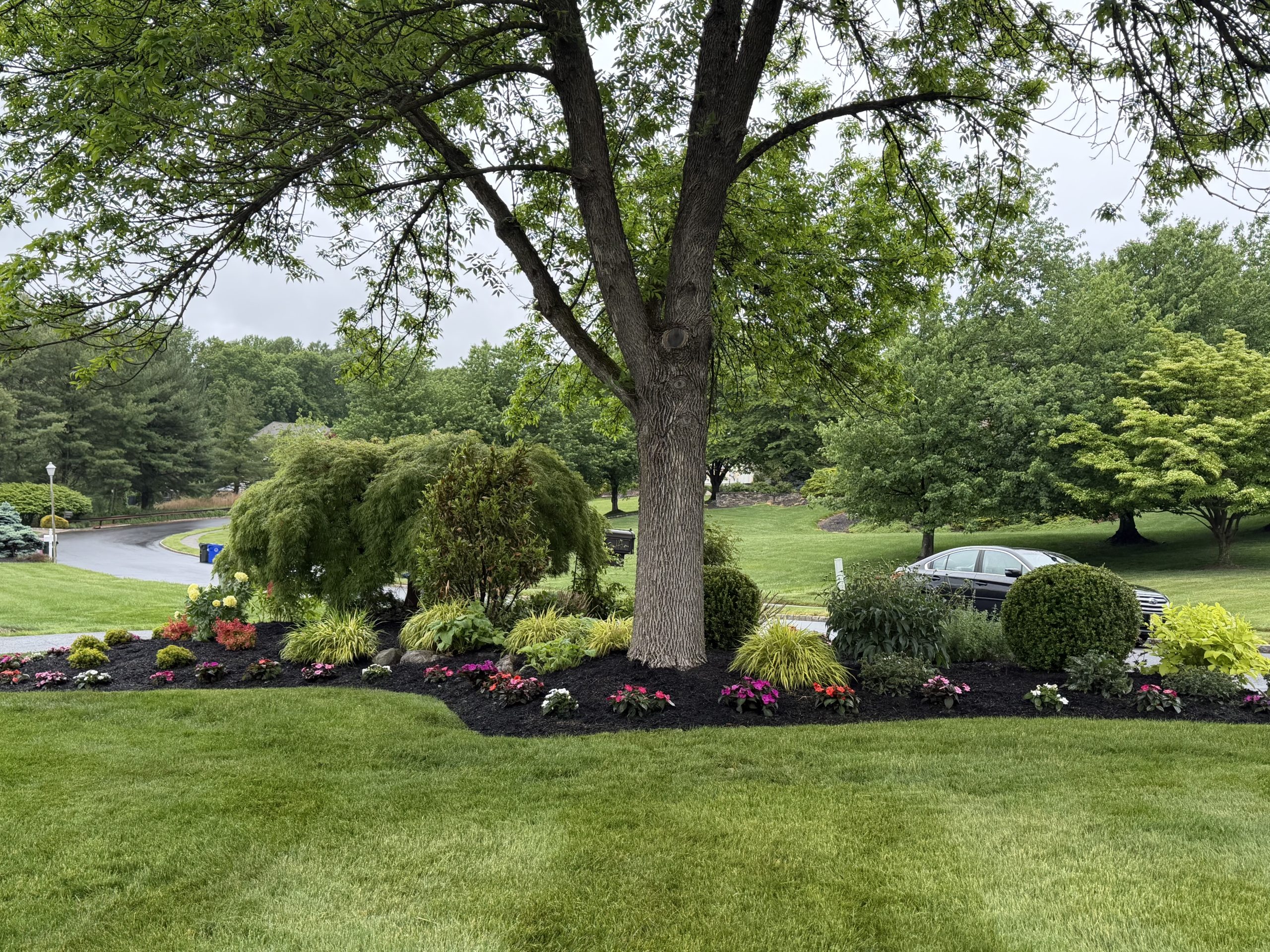
Anyone who takes care of a property in Mendham knows weeds are rarely just a summer nuisance. They show up in driveway cracks in April, creep into mulch beds by May, flare up around patios in July, and try to reseed themselves before fall cleanup is done. The usual reaction is to reach for a spray bottle, but that approach often creates more work than it saves. A weed might brown out in a day, yet the conditions that invited it in, thin turf, bare soil, compacted beds, weak plant cover, poor mowing habits, still remain.
Natural weed reduction works differently. It does not promise a weed-free property forever, because no honest landscape professional would make that claim. What it does offer is a way to lower weed pressure over time by changing the environment. The goal is to make your lawn and planting beds dense, healthy, and less hospitable to opportunistic growth. That takes a little patience, but in most landscapes the payoff is obvious within a season or two. There are fewer flare-ups, less constant pulling, and better overall plant health.
For homeowners looking for practical Landscape Maintenance Mendham NJ strategies, the local growing conditions matter. Mendham sits in a part of New Jersey where cool season lawns dominate, spring arrives with moisture, summers can turn hot and humid, and shade from mature trees shapes what will and will not thrive. Weed control here is not the same as weed control in a dry, sunny development with young lots and builder-grade soil. The best natural plan has to match the site.
Start by reading the weeds, not just fighting them
One of the most useful habits in Landscape Maintenance is learning to treat weeds as clues. They tell you something about the ground beneath them. Crabgrass usually points to thin turf and exposed soil. Plantain often shows up in compacted areas where foot traffic has taken its toll. Nutsedge tends to favor wet spots or places that stay consistently damp. Moss is not a weed, but when it appears in lawns it often signals shade, acidity, poor drainage, or weak grass vigor.
That matters because two properties can have the same weed species and need completely different solutions. On one lawn, the answer might be raising mowing height and overseeding in early fall. On another, the real fix could be redirecting runoff from a downspout that keeps one section soggy all spring. Pulling weeds without addressing the pattern is like bailing water without plugging the leak.
I have seen this most clearly in older neighborhoods with established trees and long-settled grades. Homeowners often assume weeds mean neglect, when in fact the property is being maintained regularly. The real problem is that the original planting plan no longer matches present conditions. Beds that once received six hours of sun may now get only dappled light. Turf that looked fine ten years ago has lost density under expanding tree canopies. Nature fills the gap quickly, and weeds are usually first in line.
Healthy turf is your first line of defense
In Mendham, a thick cool season lawn is one of the best natural weed suppressors you can have. Dense grass shades the soil surface, reduces open germination space, and competes aggressively for moisture and nutrients. A weak lawn does the opposite. Every thin patch is an invitation.
Mowing is where many homeowners accidentally make weeds worse. Cutting too short stresses desirable grass and lets more sunlight reach the soil, which encourages weed seed germination. For most cool season lawns in northern New Jersey, keeping grass on the taller side during the growing season usually helps. Not overgrown, just not scalped. Turf with a little height develops deeper roots, handles summer stress better, and crowds out low-growing invaders more effectively.
Watering habits matter just as much. Frequent, shallow watering encourages shallow root systems in both grass and weeds. Deep, occasional watering, when needed, promotes stronger turf. In many established Mendham landscapes, irrigation systems are set and forgotten, and that is often where trouble starts. A shaded side yard does not need the same schedule as a sunny front exposure. If both zones receive identical watering, one may stay overly wet and invite weeds adapted to that condition.
Soil compaction is another hidden factor. Lawns near walkways, play areas, and dog paths often become hard and oxygen-poor. Grass struggles there, while certain broadleaf weeds push through anyway. Core aeration can make a meaningful difference, especially when paired with overseeding at the right time of year. In this region, early fall is usually the strongest window for that work because soil temperatures remain favorable while weed pressure begins to ease.
Mulch helps, but only when it is used correctly
Mulch is often treated as a decorative finish, but from a weed standpoint it is a practical tool. A properly mulched bed limits sunlight at the soil surface, conserves moisture, moderates temperature swings, and reduces the number of weed seeds that successfully germinate. The key phrase is properly mulched.
Too little mulch leaves gaps. Too much mulch creates its own problems, especially around shrubs and trees. Piling it high against trunks can trap moisture, stress bark, and encourage surface rooting. That familiar volcano shape is still common, and it causes more plant decline than many people realize. Weed control should never come at the cost of long-term plant health.
A more effective approach is a moderate, even layer spread over a bed that has already been weeded and edged. In many residential landscapes, about two to three inches is enough. If old mulch has built up year after year, adding more is not always the answer. Sometimes the bed needs to be lightly cultivated or reduced before fresh material goes down. Otherwise weed seeds simply germinate in the decomposed organic layer on top.
There is also a trade-off with mulch texture. Fine shredded mulch knits together and can suppress weeds well, but on steep grades it may wash or mat. Coarser bark products can stay in place better, though they may leave more air pockets and light exposure. On sloped Mendham properties, where runoff can be an issue during heavy rain, material choice should match grade and drainage, not just appearance.
Groundcovers can outcompete weeds better than bare mulch
Some of the hardest beds to keep clean are the ones that rely on mulch alone year after year. If a bed has wide open spacing between shrubs and no lower layer of plant coverage, weeds have room to move in. In the right location, living groundcovers can reduce that pressure significantly.
This is especially useful under mature trees, along side yards, and in transition spaces where turf struggles. The goal is not to pack every bed densely on day one. Overcrowding can create airflow problems and maintenance headaches later. The better strategy is to choose plants that match the light and moisture conditions, then let them fill in steadily over time.
For shaded Mendham properties, that might mean using shade-tolerant perennials or spreading groundcovers beneath large deciduous trees instead of forcing lawn to survive there. In sunnier locations, low, spreading ornamentals can occupy the soil surface more effectively than mulch alone. Once established, they intercept light, stabilize the ground, and make weed seed establishment much harder.
This is where good Landscape Maintenance becomes more than cleanup. It becomes editing and adjusting the plant community so the site works with itself. A bed designed to cover the soil naturally needs less intervention than a bed that is essentially bare between specimens.
Weed seeds thrive in disturbed soil
Many people are surprised to learn that aggressive bed cleanup can sometimes trigger more weeds. Every time soil is heavily disturbed, dormant seeds near the surface get the light and temperature cues they need to germinate. That does not mean beds should be ignored. It means maintenance should be deliberate.
Hand pulling is still one of the most reliable natural methods for isolated weeds, especially after rain when roots release more cleanly. The timing matters. Pulling a young weed before it flowers or sets seed prevents a much larger problem later. Letting it mature because the bed still looks “mostly fine” is how next season gets harder.
There is also value in working consistently instead of waiting for a full takeover. Ten minutes a week in a few key beds usually beats one long weekend of rescue work. Smaller interventions are less disruptive to the soil and easier on surrounding ornamentals.
If you use a hoe or hand cultivator, use a light touch. Churning the top layer repeatedly can expose more seed and slice perennial weeds https://lanezkfe460.quillnesty.com/posts/landscape-maintenance-trends-mendham-nj-property-owners-should-know into fragments that regrow. This is particularly frustrating with species that spread through roots or rhizomes. In those cases, patience and full root removal are more effective than repeated chopping.
Feed the soil, not the weeds
Healthy soil supports dense plant growth, and dense plant growth naturally leaves less room for weeds. That sounds simple, but it is often misunderstood as an argument for more fertilizer. It is not.
Overfertilizing can push lush, weak growth in ornamentals and turf, increase mowing demand, and in some cases favor the very weeds you are trying to discourage. A better natural approach starts with understanding what the soil actually needs. If the lawn is underperforming, a soil test often reveals whether pH is off, nutrients are imbalanced, or organic matter is low. In parts of northern New Jersey, soil acidity can influence how well turf performs, and poor turf performance opens the door to weeds.
Compost can be valuable in beds and during lawn establishment, but it should be used thoughtfully. A thin topdressing in the right setting can improve soil structure and microbial activity. Dumping thick layers over existing turf or around plant crowns is another matter. Natural methods still require judgment. More is not always better.
I have seen lawns improve dramatically after the owner stopped trying to force quick green-up and instead focused on aeration, overseeding, proper mowing, and measured feeding. The grass thickened, summer stress eased, and weed pressure dropped without any dramatic intervention. It was not flashy, but it worked.
The timing of natural control matters more than most people think
One of the biggest mistakes in weed management is treating every season the same. In Mendham, the calendar matters because plant growth patterns shift quickly.
Spring is when many homeowners feel urgency, and that makes sense. Everything wakes up at once, weeds included. It is a good time to remove winter annuals, refresh mulch, edge beds, and correct drainage issues that become obvious during rainy spells. But spring is not always the best season for major lawn renovation. Early fall usually produces stronger turf recovery and establishment.
Summer requires a different mindset. The aim then is often stress reduction rather than heavy intervention. Pulling a few isolated weeds, spot addressing problem areas, and keeping turf from being cut too low can prevent a lot of damage. Digging aggressively or planting heavily during heat can set the landscape back.
Fall is where many natural weed-reduction plans either succeed or stall. This is the prime time for thickening cool season turf, topdressing if appropriate, and reworking weak areas before winter. Homeowners who skip fall work often spend the next spring reacting to the same problems again.
A practical seasonal rhythm looks like this:
- In spring, clean beds early, pull weeds before they seed, and correct obvious drainage or mulch issues.
- In summer, protect plant health by watering deeply when needed and avoiding scalping or unnecessary soil disturbance.
- In early fall, aerate and overseed lawns that have thinned out, because dense turf is one of the best natural weed suppressors.
- In late fall, remove heavy leaf cover from lawn areas so grass does not weaken over winter and open space for spring weeds.
Shade changes the entire equation
Mendham properties often have one feature that shapes maintenance more than anything else: mature trees. Shade is beautiful, but it alters turf performance, moisture retention, airflow, and competition at the root level. If you ignore that, weeds keep winning.
Grass under dense tree cover rarely performs like grass in open sun. Tree roots compete hard for water and nutrients, and reduced light slows turf growth. Homeowners often respond by watering more and fertilizing more, but if the grass species itself is mismatched to the light level, weeds continue to fill in.
In those situations, the natural answer may be to reduce the size of lawn areas and expand beds or groundcover zones. That can feel like giving up at first, but it is usually the opposite. It is choosing a landscape that fits the site rather than forcing the site to mimic a full-sun lawn. Once the right plants are installed, maintenance often becomes easier, cleaner, and less weed-driven.
Pruning can help in selective cases, particularly when lower branches are trapping moisture and limiting air movement, but it should be done with plant health and structure in mind. Over-thinning canopy just to chase turf performance is rarely the best long-term answer.
Watch the edges, because weeds often start there
On well-kept properties, the first serious weed pressure usually shows up at the margins. Bed edges, fence lines, curb strips, stone borders, and cracks in hardscape are the common starting points. These areas collect windblown seed, heat up quickly, and are easy to miss during routine maintenance.
A crisp edge does more than improve appearance. It creates a visible boundary that makes early weed growth easier to spot and easier to remove. Neglected edges blur the line between lawn and bed, and once grasses or creeping weeds cross over, cleanup becomes more labor-intensive.
Hardscape joints deserve special attention. Moss, small annual weeds, and volunteer grasses can take hold in paver joints and stone seams where organic debris has accumulated. Keeping those surfaces swept and free of built-up material is a natural preventive measure that many people overlook. The fewer places weeds have to root, the less reactive maintenance becomes.
Natural methods still require persistence
There is a common misconception that natural weed control should be instant if it is going to be worth doing. In practice, the natural route usually asks for consistency instead of speed. That is not a drawback, just a reality.
If a bed has been allowed to reseed heavily for years, one spring cleanup will not erase the seed bank sitting in the top layer of soil. If a lawn has been mowed too short every week for five seasons, one fall overseeding will help, but it will not solve every weakness immediately. What changes results is the compounding effect of better habits.
This is usually the turning point for homeowners who have been disappointed by repeated weed outbreaks. Once they stop looking for a single cure and start treating Landscape Maintenance as a system, the property begins to stabilize. The lawn thickens. Beds hold moisture better. Fewer bare spots appear. Weed populations become less aggressive and easier to manage by hand.
A few mistakes that quietly make weeds worse
Some weed problems are created less by neglect than by well-intentioned habits that backfire. These are the ones I see most often on residential properties.
- Cutting grass too short, which weakens turf and exposes soil to sunlight.
- Applying fresh mulch over existing weed growth or over excessive old mulch buildup.
- Watering lightly every day, which favors shallow roots and can encourage weed germination.
- Leaving thin, shaded lawn areas in place even when the site clearly wants groundcover or bed space.
- Waiting until weeds flower or seed before addressing them, which multiplies next year’s workload.
Each of these is fixable. None requires a dramatic redesign. But they do require attention to detail, and that is where good maintenance separates itself from simple upkeep.
When hand work is smarter than broad treatment
There are moments when a broad approach makes sense, such as overseeding a large thin lawn area or remulching a bed after a cleanup. But for many natural weed problems, precision is more effective than scale.
A single invasive patch near a foundation planting, for example, should be dealt with carefully before it spreads into roots you want to keep. A few weeds in a perennial border are usually better hand-pulled than blasted with anything that risks nearby foliage. Likewise, one wet corner of a lawn may need drainage correction, not property-wide changes.
This is especially true on higher-end landscapes with mixed ornamental plantings. The more diverse the planting palette, the more important it becomes to tailor the response. A natural maintenance plan is rarely one-size-fits-all. It is an ongoing series of small decisions made with the site in mind.
What better weed control looks like after a year
The encouraging part is that natural weed reduction tends to build momentum. After a full year of thoughtful care, most properties show recognizable improvement even if they are not perfect. Lawn density increases in repaired sections. Beds require less emergency cleanup. Mulch lasts longer because it is not constantly disturbed. Problem corners become defined management zones rather than recurring surprises.
For homeowners in need of Landscape Maintenance Mendham NJ support, the best results usually come from combining sound horticultural practice with local observation. Watch where snow piles linger. Notice where runoff settles after storms. Pay attention to how quickly shaded soil dries, or does not dry, in late spring. Those details matter more than any generic weed tip pulled from a label or package.
Natural weed control is not about doing less. It is about doing the right things at the right time, with fewer unnecessary inputs and better long-term results. When the lawn is thick, the beds are planted to fit the site, the soil is protected, and maintenance is steady, weeds lose their advantage. That is the real goal, not perfection, but a landscape that gets stronger season by season.
Majestic Mowing & Landscaping LLC
Phone number: +19733975532
FAQ About Landscape Maintenance Mendham NJ
What is meant by landscape maintenance?
Landscape maintenance means the ongoing care, upkeep, and management of outdoor spaces like lawns, gardens, and parks to keep them healthy, clean, safe, and attractive. It involves regular tasks such as mowing grass, trimming plants, and managing water systems.
Is $100 an hour too much for landscape work?
Yes, $100 an hour is on the high end for basic landscaping, but it can be fair depending on crew size, equipment, and tasks. Standard rates usually fall between $25 and $75 per hour, while professional companies often bill $75 to $150+ per hour for multi-person crews or specialized labor.
What does landscape maintenance consist of?
Landscape maintenance consists of regular outdoor property upkeep focused on keeping yards healthy and clean, primarily through routine lawn mowing, plant bed weeding, and shrub trimming.