Landscape Maintenance Techniques for Managing Seasonal Transitions


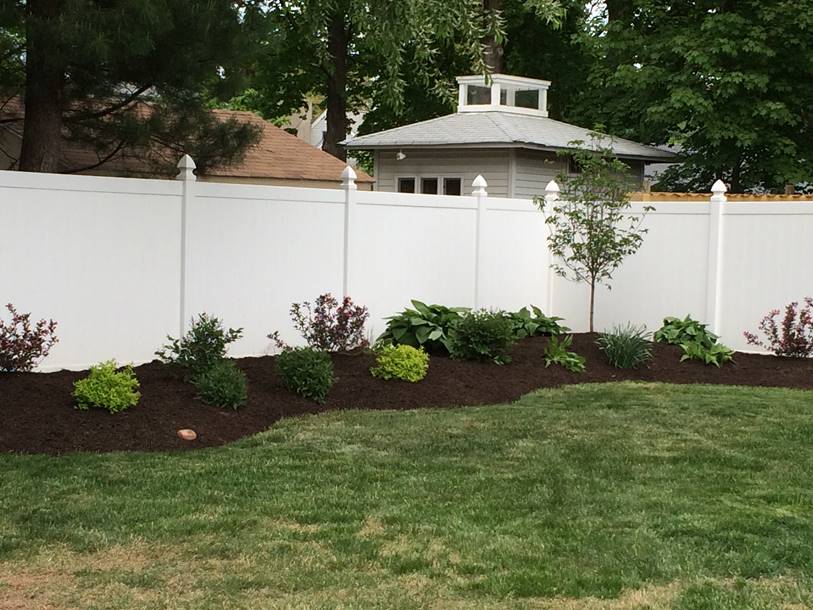
Seasonal change is where good landscapes either hold together or start to come apart. A property can look polished in late spring when growth is easy and the weather is forgiving. The real test comes in the hinge months, early spring before the soil settles, midsummer when heat stress shows up fast, early fall when roots still have time to establish, and the lead-up to winter when one missed task can create months of damage. That is where disciplined landscape maintenance earns its keep.
Anyone who has managed planting beds, turf, irrigation, and woody plants through a full calendar year learns the same lesson sooner or later. Landscapes do not fail all at once. They decline through small seasonal mismatches. Mulch goes down too thick before a wet spell. Shrubs get pruned at the wrong time and lose next season’s flowers. Irrigation schedules stay fixed while temperatures swing twenty degrees. Leaves sit too long on turf, creating a damp, matted layer that invites disease. None of these issues looks dramatic on the day it happens. By the time the damage is obvious, the correction is slower and more expensive.
Managing seasonal transitions well means reading timing, not just following a maintenance calendar. The date matters less than the condition of the site. Soil temperature, moisture, plant stage, exposure, and storm patterns all influence what should happen next. A south-facing bed in a sheltered urban courtyard can be two weeks ahead of a shaded property edge. Clay soil may stay saturated long after surface conditions look workable. A warm fall can keep turf actively growing when crews are ready to winterize. Good judgment starts there.
Seasonal transitions are really stress transitions
Plants handle change best when the root zone is stable. The top growth gets attention because it is visible, but most seasonal stress begins below grade. A cool spring with alternating freeze-thaw cycles can heave shallow-rooted perennials. A sudden hot spell after mild weather can dry the upper soil profile before irrigation gets adjusted. In fall, roots often keep growing after top growth slows, which is why that season is so effective for many planting and transplanting tasks.
That is also why landscape maintenance cannot be reduced to mowing, trimming, and cleanup. During transitions, maintenance becomes a form of risk management. The aim is to smooth out environmental extremes so plants and turf do not have to absorb every shock directly. Mulch moderates soil temperature. Proper mowing height protects turf crowns. Selective pruning reduces breakage in wind or snow. Aeration relieves compaction before winter saturation or summer drought. These are not cosmetic tasks. They are protective ones.
There is a practical side to this that property owners often appreciate once they see it in numbers. Replacing a mature shrub that failed after winter injury or summer drought is far more expensive than timely watering, correct pruning, and seasonal monitoring. The same goes for turf repair. A thin lawn can often be strengthened with fall overseeding and soil improvement. Let it slide through one bad summer and the repair bill usually multiplies, especially when weeds move in.
Spring is less about cleaning up than setting the pace
Spring maintenance gets treated like a reset button, but that mindset causes plenty of avoidable mistakes. Crews are often eager to cut back everything, edge every bed sharply, apply fertilizer broadly, and make the property look finished in a single pass. The trouble is that spring unfolds in layers. Soil may still be cold even while air temperatures are pleasant. Woody plants leaf out at different rates. Some perennials resent early disturbance, particularly if late frosts are still in play.
One of the most common spring errors is working the soil too early. If soil is compacted when wet, especially clay-heavy soil, the damage can last all season. Beds lose pore space, roots struggle for oxygen, and drainage worsens. The temptation is understandable after a long winter. Yet waiting a few extra days for the soil to become friable often saves months of decline.
Pruning also requires restraint. Winter damage should certainly be removed, but aggressive shaping can wait until the plant’s growth habit is visible. I have seen hydrangeas cut back hard in early spring by well-meaning crews who assumed all varieties bloom the same way. The result was a season with healthy foliage and almost no flowers. Landscape maintenance at this stage is not about doing everything quickly. It is about knowing what must happen now and what improves by waiting.
Turf work in spring benefits from the same discipline. Heavy fertilization during a lush, cool period can create soft growth that struggles as temperatures rise. If that turf is also cut too short, summer stress appears early. A better approach is to correct compaction, sharpen mowing practices, address drainage, and feed based on actual need rather than habit. Spring vigor can hide structural problems. If low areas stay wet after rain, if mower tracks persist, or if thin areas appear in the same spots every year, those are signs to act before summer exposes them further.
Early summer is when small irrigation mistakes become large problems
Irrigation management separates average properties from consistently healthy ones. Many systems are programmed once and barely revisited. That works only in climates with remarkably stable weather, which most places do not have. Early summer is when irrigation should shift from a startup mentality to a responsive one.
Deep, infrequent watering generally serves established landscapes better than frequent shallow cycles, but that principle has limits. Sandy soil drains quickly and may need shorter intervals. Newly planted material has not developed a broad root system and requires more attentive moisture management. Containers dry out faster than in-ground beds, especially in windy exposures. Turf near pavement or reflective walls can dry unevenly compared with open areas. The same property can hold three or four distinct watering environments.
A simple field habit tells you a lot. Check moisture two to four inches below the surface in several locations, not just one convenient spot near a hose bib. Surface appearance is misleading. Mulch can look dry while the soil beneath is moist. Turf can look green while the root zone is already drying. Once heat arrives, waiting for visible wilt means you are reacting late.
There is also a labor issue here that matters in commercial and residential work alike. Hand watering is often used to compensate for poor system coverage, but it is inconsistent when crews are rushed. If a bed repeatedly needs rescue watering, the better fix is usually hydraulic, not heroic. Adjust heads, correct pressure, increase infiltration, or revise planting density. Seasonal transitions reveal design weaknesses, and smart maintenance uses that information rather than masking it.
Summer maintenance is about conserving plant energy
By midsummer, most landscapes stop forgiving mistakes. High temperatures, warm nights, compacted soil, reflected heat from hardscape, and erratic rainfall can push even established plants into stress. This is the season when restraint matters as much as action.
Pruning during heat should be selective and purposeful. Removing dead, broken, or diseased material is one thing. Shearing large amounts of healthy growth is another. Every cut stimulates a response, and during hot weather that response can cost the plant moisture and stored energy. The tightly clipped look that appears neat in early June can become scorched, sparse, or disease-prone by August.
Mowing height deserves more attention than it usually gets. Taller turf shades the soil, reduces evaporation, and develops deeper roots. Scalping the lawn because growth seems excessive after rain is a short-term visual fix with a long-term penalty. The turf may look tidy that afternoon and stressed by the end of the week. On intensively managed properties, a difference of even half an inch can influence summer performance.
Mulch helps in summer, but only when it is used with judgment. A two- to three-inch layer is often enough to conserve moisture and buffer root temperature. Piling it against trunks or crowns creates other problems, from bark decay to vole shelter. In wet summers, excessive mulch can keep the root zone too damp. In dry regions, coarse mulch may not conserve moisture as effectively as a finer, well-aged material. There is no universal prescription. Maintenance crews need to read conditions, not just follow a depth rule mechanically.
Weed control also changes in tone during summer. Pulling or hoeing after irrigation or rain is easier on both soil and labor. Disturbing dry beds aggressively can damage shallow roots of ornamentals. In a mixed perennial bed, a careful hand is worth more than speed. I have watched experienced gardeners spend ten focused minutes in a bed and leave it cleaner than a larger crew did in thirty, simply because they knew which seedlings to remove and which self-sown plants were worth keeping.
Fall offers the best recovery window of the year
If spring is full of urgency, fall is full of opportunity. Soil remains warm enough for root activity, air temperatures are usually milder, and many plants can settle in before winter. For turf, this is often the prime season for repair and strengthening. For woody plants and perennials, it is the moment to correct summer damage and prepare for cold without forcing tender new growth.
Overseeding thin turf in early fall often outperforms spring seeding because weed pressure is lower and environmental stress is reduced. Aeration at the same time improves seed-to-soil contact and eases compaction. Where soils have been pounded by traffic or maintenance equipment, this combination can noticeably improve turf density by the following spring. On one municipal site I worked with years ago, a compacted lawn near a playground had failed twice with spring patching. After a fall program of core aeration, light topdressing, and overseeding, it filled in evenly enough that the next year’s maintenance shifted from repair to routine care.
Fall is also the right time to rethink bed edges, drainage paths, and plant spacing. Summer makes problems visible. Fall gives you a workable climate to fix them. If downspouts have been washing mulch into walks, if low spots stay soggy, or if shrubs are crowding windows and pathways, those conditions are easier to address now than in spring when everything is already flushing out.
Not every cut belongs in fall, though. That is an area where blanket advice does real harm. Some pruning is wise, especially for damaged limbs or hazard reduction. Hard pruning that encourages tender growth before frost is not. Likewise, heavy nitrogen applications late in the season can produce tissue that does not harden properly. Preparation for winter should focus on root health, moisture balance, sanitation, and structural stability.
A brief fall field check helps keep priorities clear:
- Inspect drainage after a real rain, not just on a dry day.
- Reduce disease carryover by removing heavily infected plant debris.
- Water evergreens thoroughly before the ground freezes, especially in exposed sites.
- Repair turf thinning while soil temperatures still support germination.
- Secure or prune weak branches where snow load or wind is a recurring risk.
Winter preparation starts before the first hard freeze
People often think winter landscape work begins when temperatures drop sharply, but by then some windows have already closed. Broadleaf evergreens, young trees, and marginally hardy shrubs benefit from going into winter hydrated. Root desiccation is a bigger issue than many clients realize, especially where cold winds combine with bright winter sun. A plant can lose moisture from leaves or needles while frozen soil prevents replacement uptake.
Protection methods should match the real hazard. Burlap screening helps with wind and sun scorch in exposed areas. It does not solve poor drainage, trunk injury, or roots planted too shallow. Anti-desiccant sprays can help in certain situations, but they are not magic, and they are frequently overapplied or used on plants that would do fine without them. The most reliable winter protection is still sound establishment through the prior growing seasons.
Tree care during this period deserves special attention. Young trunks can suffer sunscald or frost cracking, particularly in locations with strong day-night temperature swings. Mechanical damage from snow equipment is another recurring problem. Many winter injuries are not https://www.google.com/maps?cid=10803558482475237858 climatic at all. They come from plows pushing salt-laden snow into planting beds, shovels nicking bark, or deicing products washing into root zones. Landscape maintenance plans should coordinate with snow management, not operate as a separate silo. On mixed-use properties, a beautiful planting at the walkway edge is only as healthy as the winter operations around it.
For colder regions, winter also reveals the quality of fall cleanup. Leaves left in dense layers over turf can mat down and encourage disease. Perennials that were left standing for habitat or winter interest may benefit the site visually and ecologically, but they should be stable and intentional, not simply abandoned. There is a difference between designed winter structure and neglect.
Plant selection affects maintenance more than most seasonal tasks
The easiest seasonal transition to manage is the one designed into the landscape from the beginning. Plants suited to site conditions require fewer interventions, recover faster from weather swings, and present fewer emergencies. That sounds obvious, yet many maintenance headaches begin with inappropriate selection. A moisture-loving shrub installed in a hot, reflected site will demand constant rescue. A species prone to winter burn planted in an exposed corner will need repeated protection. A turf variety chosen for color alone may fail under shade or traffic.
Maintenance teams learn these patterns quickly because they are the ones returning to the same problem spots. Their observations are valuable. If one bed always bakes by July, if one hedge repeatedly suffers dieback after severe winters, or if one slope erodes every spring storm, that information should influence renovation decisions. Seasonal transition work is not just about preserving what is there. It is also about refining the landscape so it performs with less intervention over time.
This is where trade-offs become practical rather than theoretical. A more diverse planting palette can improve resilience but may complicate crew training and timing. Native species often adapt well locally but still need thoughtful siting and establishment. Low-maintenance does not mean no maintenance. It usually means the right kind of maintenance at the right intervals.
The maintenance calendar should be flexible, but standards should not
Good crews work from standards rather than assumptions. The standard might be that mulch stays off trunks, mower blades stay sharp, irrigation gets adjusted after meaningful weather changes, and pruning follows plant biology rather than convenience. Those standards hold even when the exact week of each task shifts.
A fixed calendar is useful for planning labor, but it should never overrule field conditions. In a warm spring, crabgrass prevention may need to move earlier. In a wet fall, aeration may need a narrower timing window to avoid smearing soil. After an unusually dry winter, spring evergreen recovery may require supplemental watering sooner than expected. Professionals who manage transitions well are constantly comparing the schedule to what the site is telling them.
The same principle applies to client communication. Property owners often notice the visible parts of maintenance, mowing frequency, weeds, seasonal color, while missing the timing decisions behind them. A quick explanation can build confidence. Saying that pruning is being delayed to protect blooms, or that irrigation is being reduced because the root zone is already moist, helps clients understand that restraint is often skilled work, not inaction.
A practical rhythm for year-round landscape maintenance
The most reliable landscapes are rarely the most expensive ones. They are the ones maintained with steady attention and seasonal judgment. Instead of dramatic resets, they receive small, timely corrections throughout the year. Drainage gets improved before root rot develops. Turf gets relieved of compaction before summer decline. Shrubs get thinned before storm damage or snow load splits them. Irrigation is tuned before heat stress becomes visible.
That rhythm can be summed up in a few habits that hold up across property types:
- Watch the soil as closely as the foliage.
- Match pruning and fertilization to plant stage, not crew convenience.
- Adjust irrigation with weather, exposure, and plant maturity.
- Use fall as a recovery and establishment season, not just a cleanup season.
- Coordinate winter protection with snow, salt, and pedestrian use patterns.
Landscape maintenance during seasonal transitions is not glamorous work. It is observant, methodical, and often quiet. Yet it is the difference between a landscape that merely survives the calendar and one that improves with each year. When timing, technique, and site awareness come together, seasonal change stops being a threat to manage and becomes part of the landscape’s strength.
Majestic Mowing & Landscaping LLC
Phone number: +19733975532
FAQ About Landscape Maintenance
What is landscape maintenance?
Landscape maintenance is the ongoing care, cleaning, and upkeep of outdoor green spaces to keep them healthy, safe, and attractive.
Is $100 an hour too much for landscape work?
An hourly rate of $100 is not too much for specialized or professional landscape work, though it sits at the higher end of the standard pricing spectrum.
How much do landscapers charge for maintenance?
For professional landscaping maintenance, homeowners typically pay $100 to $410 per month for recurring services, or an hourly labor rate of $50 to $100 per hour per crew member.